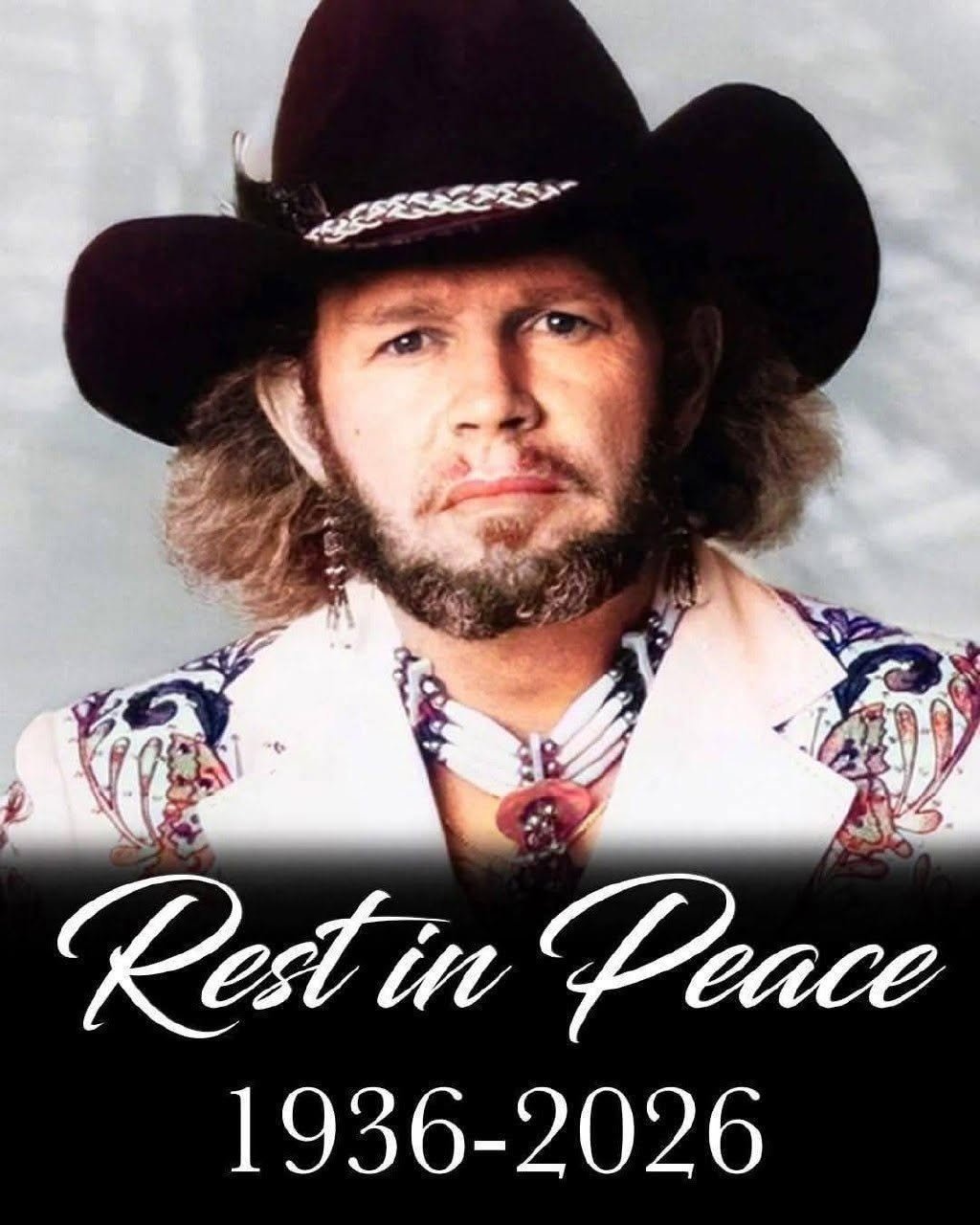
Country Music Legend David Allan Coe at 86: Remembering the Outlaw Country Icon
Country music has lost one of the most distinctive and controversial figures in its history. David Allan Coe, the singer and songwriter whose rebellious image and uncompromising music made him an enduring figure in outlaw country, died on April 29, 2026, at the age of 86.
Coe’s was confirmed by his wife, Kimberly Hastings Coe, and a representative for the musician. He reportedly died while in intensive care. An exact cause of was not immediately disclosed.
Across a career that stretched for decades, Coe became known for songs including “You Never Even Called Me by My Name,” “The Ride,” “Mona Lisa Lost Her Smile” and “Longhaired Redneck.” He also wrote major hits recorded by other country stars, including “Take This Job and Shove It” and “Would You Lay With Me (in a Field of Stone).”
David Allan Coe at 86
News of Coe’s brought tributes from musicians and country fans who had followed his career for generations.
His wife remembered him not only as a remarkable singer, songwriter and performer, but also as her husband, friend and confidant.
A representative said Coe died at approximately 5 p.m. on April 29 while receiving intensive medical care. Although he had experienced health problems during his later years, no specific cause of was initially announced.
Who Was David Allan Coe?
David Allan Coe was born on September 6, 1939, in Akron, Ohio. His path to country music was anything but conventional.
Long before he became a recording artist, Coe spent significant periods of his youth and early adulthood in reformatories and correctional institutions.
Those experiences later became an important part of the public persona surrounding his career, although some of the more dramatic stories Coe told about his past were disputed or difficult to verify.
What was undeniable was his determination to turn songwriting into a new life.
From Prison to Nashville
After his release from prison in the late 1960s, Coe headed toward Nashville with ambitions of becoming a professional musician.
His early years in Nashville became part of country music folklore. He was famously associated with a hearse that he used while trying to attract attention around Nashville’s music scene.
Coe’s unusual appearance, colorful personality and willingness to challenge convention helped him stand apart from countless other aspiring musicians.
But beneath the theatrics was a serious songwriter capable of writing material that other performers wanted to record.
His First Recordings
Coe released Penitentiary Blues in 1970. The project reflected elements of blues as well as the experiences that had shaped his early life.
His career later moved more firmly into country music, particularly after signing with Columbia Records.
His 1974 album The Mysterious Rhinestone Cowboy helped establish one of the nicknames that would remain associated with him for decades.
“You Never Even Called Me by My Name”
One of Coe’s most enduring recordings arrived with “You Never Even Called Me by My Name.”
Written by Steve Goodman, with John Prine also associated with its creation, the song humorously played with the traditions and stereotypes of country music.
Coe’s performance turned it into one of his signature recordings, and it became a song closely identified with him for the remainder of his career.
“The Ride” Became Another Signature Hit
In 1983, Coe enjoyed another major success with “The Ride.”
The song tells a supernatural story involving a musician traveling toward Nashville and an encounter with the ghost of country legend Hank Williams.
Its storytelling style was perfectly suited to Coe’s mysterious outlaw persona and helped introduce his music to another generation of country listeners.
“Mona Lisa Lost Her Smile”
Another of Coe’s best-known recordings was “Mona Lisa Lost Her Smile,” released during the 1980s.
The song demonstrated a more vulnerable side of a performer frequently associated with rebellion and confrontation.
That contrast was part of what made Coe difficult to categorize. His catalog could move from emotional country ballads to rowdy outlaw songs and deeply unconventional material.
But some of David Allan Coe’s greatest contributions to country music became famous in the voices of other artists.
For Complete Cooking STEPS Please Head On Over To Next Page Or Open button (>)

Chef’s Clever Hack for Perfectly Peeled Hard-Boiled Eggs

Meat Is Not as Delicious as Cabbage

Creamy Mushroom Soup

Portuguese Linguiça and Cabbage Soup

Crunchy Chicken Taco Salad