Some people also drink the infusion after meals, especially when experiencing a heavy stomach, flatulence, or mild cramps. In traditional medicine, the plant is associated with digestive support. The key is moderation: the medicinal infusion should not be consumed uncontrollably, nor used to mask persistent pain, severe gastroesophageal reflux, prolonged diarrhea, or unexplained weight loss.
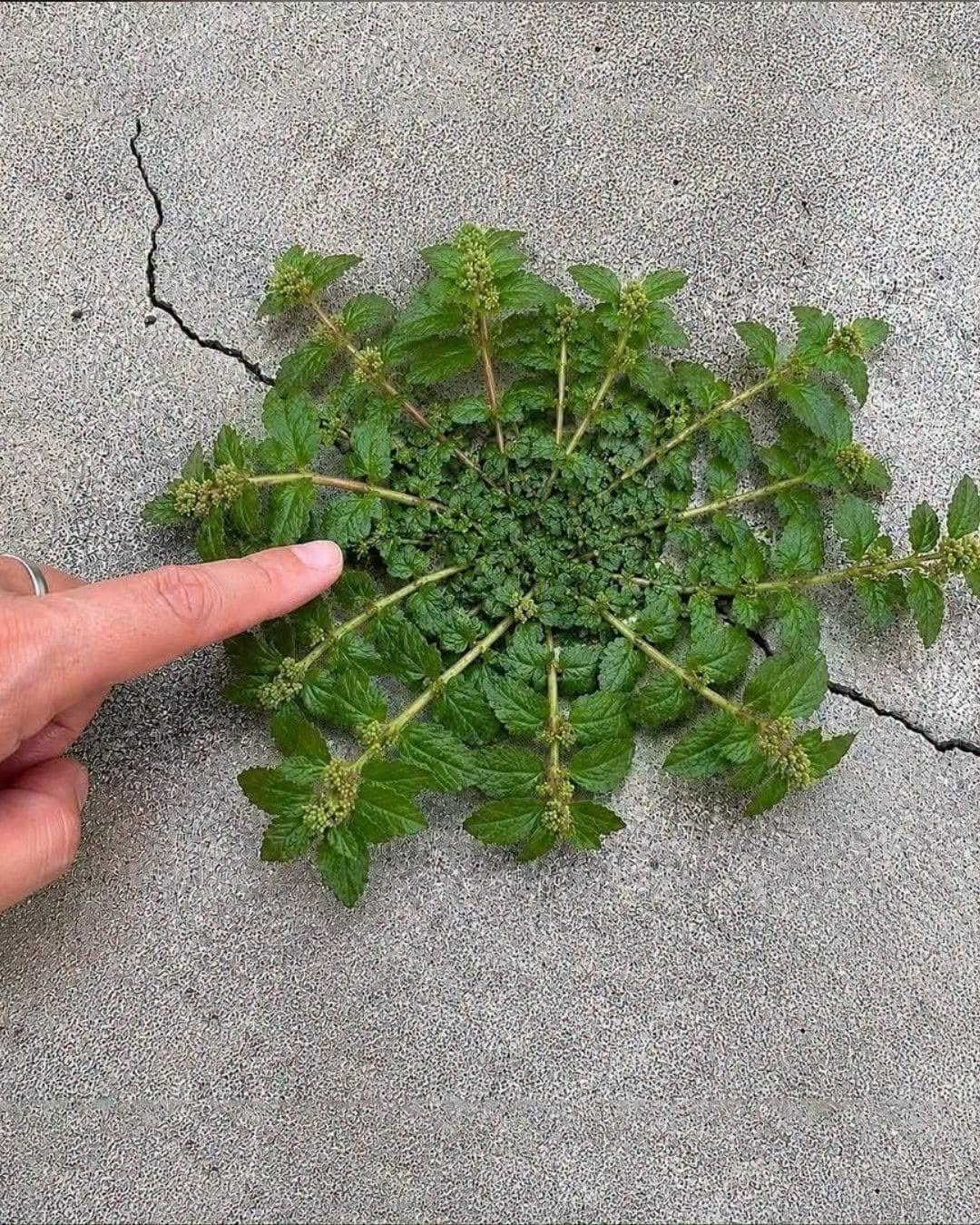
contioutra.com – A single leaf of this plant can be worth its weight in gold if you know how to identify it and use it correctly.
Read also: He left us too soon, but he left behind a legacy of music that the world has never stopped listening to.
Another frequently cited use is related to water retention. Traditionally, the plant is considered a diuretic and is used by those suffering from swelling in the legs, feet, or abdomen. However, swelling can also be linked to kidney, heart, circulatory, hormonal, or medication-related problems. Therefore, when the symptom is frequent, an infusion may not be sufficient to resolve the problem.
The name “Santa Luzia” has also associated the plant with eye care. In some regions, its use is reported to relieve eye fatigue, mild irritation, and blurred vision. However, special caution is required: no homemade preparation should be applied directly to the eyes. Homemade infusions may contain impurities, microorganisms, or be of inadequate concentration. Red eyes, discharge, pain, sensitivity to light, or worsening vision require medical advice.
To identify Euphorbia hirta, look for a few characteristics: it is usually small, with a creeping or semi-erect growth habit, a thin, hairy stem, opposite, ovate or elongated leaves, often with purple hues, and very discreet flowers clustered near the nodes. When the stem is damaged, it releases a white liquid. This latex is one of the details that aids identification, but also highlights the need to handle it with care.
If the plant is on a sidewalk, roadside, in a littered lot, in a pesticide-treated area, or near a sewer, forget it. A leaf is only worth its weight in gold if it comes from a safe place. Plants absorb soil, chemical residues, and environmental contaminants. Ideally, use only specimens from reliable sources, well-identified, away from pollution, and free of signs of fungus, strange stains, or pests.
The traditional preparation of the infusion is usually simple: boil 250 ml of water, turn off the heat, add a teaspoon of chopped plant material, cover for 5–10 minutes, strain, and drink hot. However, it’s important to pay attention to the dosage and frequency of intake. Even natural remedies can cause adverse reactions, interact with medications, or be unsuitable for certain individuals.
Pregnant women, breastfeeding women, young children, the frail elderly, people with kidney disease, diabetes, hypertension, or those taking ongoing medications should consult a doctor before consuming these products. The National Center for Complementary and Integrative Health warns that many supplements and herbal products have not been tested on pregnant women, breastfeeding mothers, and children and may interact with medications.
St. Lucia’s herb might go unnoticed as a common weed, but its value lies in the details: knowing what plant it is, where it comes from, how it’s harvested, and when it’s appropriate for use. Without this information, the same leaf that many consider a medicine can become an unnecessary risk.
Read also: Few people know what Diana asked Michael Jackson on their first date.
Share this post with your friends! 😉
For Complete Cooking STEPS Please Head On Over To Next Page Or Open button (>)
For Complete Cooking STEPS Please Head On Over To Next Page Or Open button (>)

Chef’s Clever Hack for Perfectly Peeled Hard-Boiled Eggs

Meat Is Not as Delicious as Cabbage

Creamy Mushroom Soup

Portuguese Linguiça and Cabbage Soup

Crunchy Chicken Taco Salad